Equipment financing that pays for itself: run the break-even first
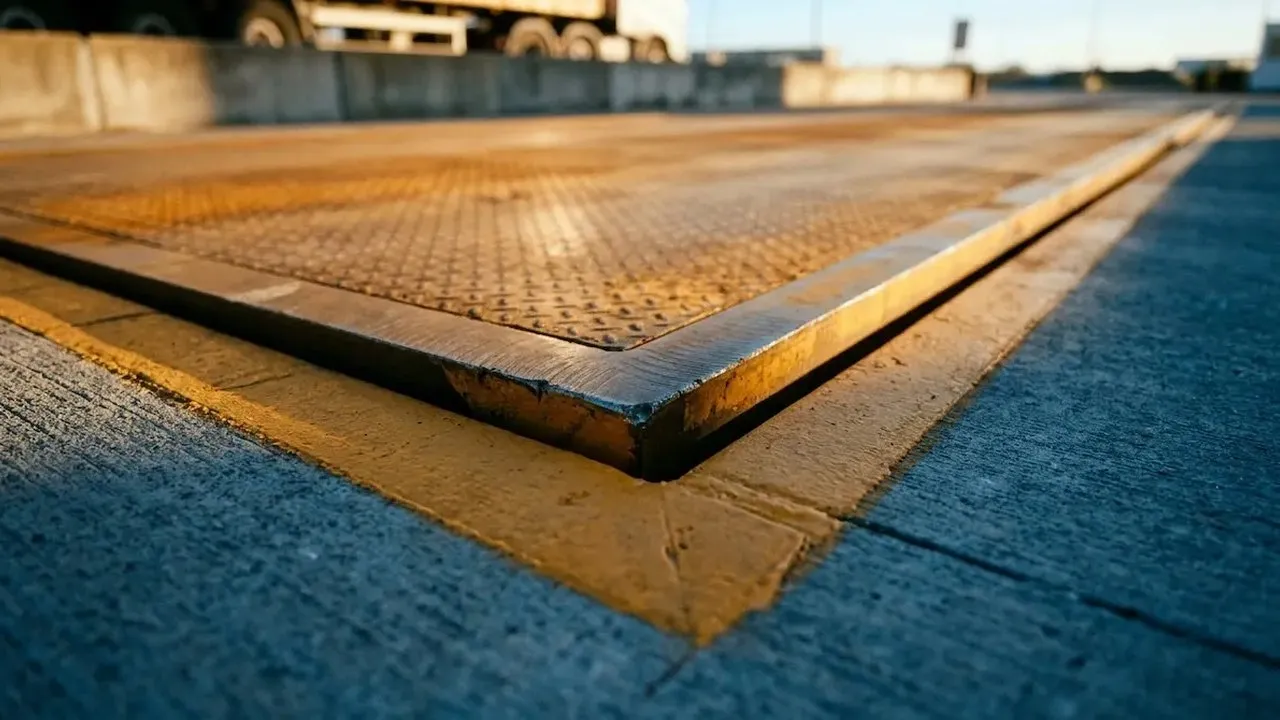
Before financing equipment, work out whether the machine can pay for itself. Divide the monthly payment by the additional monthly gross margin the equipment produces. Under 1.0, the asset covers its own payment from the first full month of operation. Over 1.0, you are subsidising it from cash flow — which may still be right, but you should know you are choosing it.
The test that matters
Equipment financing is often sold on the payment rather than the return. “It’s only $1,400 a month” is easy to agree to. The useful question is different: how much additional gross margin does this machine generate each month, and how does that compare with the payment?
Two terms, defined plainly:
- Added monthly gross margin — the extra revenue the equipment produces, minus the direct costs of producing it (materials, consumables, labour tied to that output, delivery).
- Monthly payment — the actual payment, including any fees built into the schedule.
Coverage ratio = monthly payment ÷ added monthly gross margin.
- Below 1.0: the equipment pays its own way and leaves a surplus.
- At 1.0: it breaks even. The machine is working for the business but not yet adding to it.
- Above 1.0: the shortfall comes out of existing cash flow. Fine if the equipment unlocks something larger — a contract, a capability, a lower unit cost — but that case needs to be written down, not assumed.
A worked example
Illustrative only. Not an offer, quote or client example.
A $60,000 machine financed over four years, with a monthly payment of $1,400. The owner expects it to add $2,900 a month in revenue, with $600 a month in direct materials and consumables.
- Added gross margin: $2,900 − $600 = $2,300
- Monthly payment: $1,400
- Coverage ratio: $1,400 ÷ $2,300 = 0.61
The machine clears its payment and leaves about $900 a month. That is a comfortable file — provided the revenue assumption holds. Now change one assumption: at 60% utilisation, added margin falls to about $1,380. The ratio becomes roughly 1.01, and the machine is treading water. Same equipment, same payment, entirely different decision.
What to count in the added margin
Owners tend to overstate this number by counting revenue instead of margin, and by assuming full utilisation from month one.
Count:
- Incremental revenue — work you would genuinely turn away or lose without the machine, not work you hope to win.
- Direct costs of that work — materials, consumables, extra labour, delivery, waste.
- Savings the machine creates — lower outsource costs, less rework, less overtime, a better material yield.
Do not count:
- Revenue from customers who would have bought from you anyway.
- A 100% utilisation assumption in the first quarter. Ramp is real: training, setup, learning curve, and the sales cycle that fills the capacity.
- Maintenance savings you have not yet seen on a bill.
The full cost is bigger than the payment
The payment is one line. The others:
- Delivery, installation and commissioning
- Training for the people who will run it
- Maintenance contracts, consumables and spare parts
- Insurance, which often changes when a substantial asset is added
- Site work — power, flooring, ventilation, permits
- Downtime during installation, and the operator hours absorbed by it
Add those to the first-year cost before you run the ratio. A machine that covers its payment but not its consumables is not paying for itself.
Match the term to the useful life
Financing should end before the asset stops earning. Stretching a six-year machine over eight years lowers the payment and leaves you paying for equipment that is already worn. Ask what the useful life is, in hours or years, and what the manufacturer’s own maintenance schedule assumes. Then align the term to the conservative version of that number.
What lenders will ask for
- The equipment quote or invoice, with make, model and specification
- A spec sheet or appraisal, for used or specialised equipment
- Six months of business bank statements
- Time in business and how the equipment fits what you already do
- A short explanation of the use — the work it will perform, and for whom
Questions to ask before you sign
- Is this a loan or a lease? Who holds title during the term, and who owns it at the end?
- What are the end-of-term options? A $1 buyout, a fixed purchase option and fair market value are very different outcomes.
- Can you add equipment later under the same facility, or does each purchase start a new agreement?
- What happens on early payoff? Some agreements credit unearned charges; others do not.
- What is the total cost over the full term, in dollars? Not the payment — the total.
Three ways this goes wrong
- Counting revenue as margin. The ratio looks excellent and the cash never appears.
- Assuming month-one utilisation. A machine at 60% capacity for two quarters changes the answer completely.
- Financing beyond the useful life. The payment outlives the productive years.
Get Funding Today
If you have a quote in hand, start an application and ask about collateral and asset loans. You can also size a payment with the loan calculator. Falcon Equity Group has been in business 15 years, has helped 300+ businesses and deployed $100M+, with funding from $5,000 to $20M and many products funding within 24–48 hours of approval.
This article is for general information only and is not financial, legal or tax advice. Figures shown are illustrative examples, not offers or quotes. All funding is subject to approval, and approval is not guaranteed.
Frequently asked questions
How do I know if equipment will pay for itself?
Divide the monthly payment by the additional monthly gross margin the equipment produces. Below 1.0, it covers its own payment. At 1.0 it breaks even. Above 1.0, the shortfall comes from existing cash flow.
What counts as added margin?
Incremental revenue you would turn away without the machine, minus direct costs of that work, plus savings such as lower outsource costs or less overtime. Do not count revenue from customers who would have bought anyway, or 100% utilisation in month one.
What amounts and terms does Falcon quote for equipment?
Collateral & Asset Loans typically run $10,000 – $1,000,000 with 12 – 60 month terms. Equipment financing is typically funded in about 2 days. You will need an equipment quote or invoice, 6+ months in business, and an active business. Final figures depend on underwriting.
Is the monthly payment the full cost?
No. Add delivery, installation, training, maintenance, consumables, insurance, site work, and downtime. A machine that covers its payment but not its consumables is not paying for itself.
Loan or lease — does it matter?
Yes. Ask who holds title during the term, the end-of-term options ($1 buyout, fixed purchase, or fair market value), whether you can add equipment later, early-payoff terms, and the total cost over the full term in dollars.