Restaurant equipment financing: what it costs and when it beats a cash advance
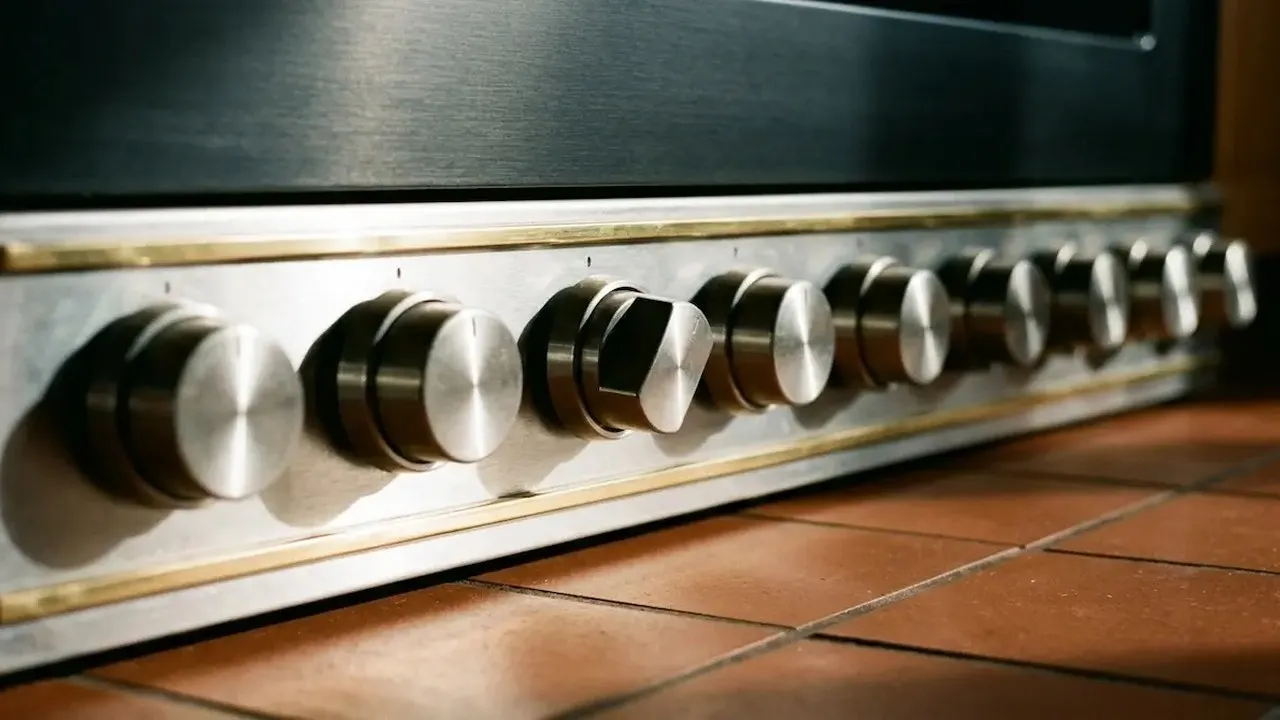
Restaurants run on equipment. When the walk-in stops holding temperature or the dish machine floods the floor, the cost isn’t just the repair. It’s the product you throw out, the covers you can’t serve and the staff you’re paying anyway.
That pressure pushes many owners toward whatever money arrives fastest. This guide explains how restaurant equipment financing works, what it costs compared with the alternatives and how to choose when time is short.
What equipment financing is
Equipment financing is a loan for a specific asset, with the asset itself serving as collateral. You pay a set amount over a set term, and when the term ends, the equipment is yours.
Falcon’s Collateral & Asset Loans are built for this:
- Who it’s for: businesses buying machinery, vehicles, technology or other equipment
- Amounts: $10,000–$1,000,000
- Terms: 12–60 months
- Requirements: an equipment quote or invoice, 6+ months in business, an active business
Because the equipment secures the loan, lenders can often offer longer terms than unsecured working capital. That keeps each payment smaller and lets the asset pay for itself while you use it.
What you can finance
For most restaurants, that covers:
- Back of house: ranges, ovens, fryers, hoods and fire suppression, walk-in coolers and freezers, reach-ins, ice machines, dish machines, prep tables
- Front of house: POS systems, furniture, bar equipment, espresso machines
- Delivery and catering: vans and refrigerated vehicles
Installation, delivery and taxes may or may not be included depending on how the quote is written. Ask your vendor to itemize, and ask your specialist what can be included.
Equipment financing vs. a merchant cash advance
The Merchant Cash Advance is the other product restaurant owners often hear about first, because it’s fast and works for businesses with heavy card sales.
- Amounts: $5,000–$5,000,000
- Terms: 3–18 months
- Requirements: 3+ months in business, $10K+ monthly revenue, an active business bank account
An MCA is a purchase of future sales: you receive a lump sum and repay a fixed total through a share of your deposits. That has real advantages. Payments rise and fall with sales, and qualifying is easier than for many loans.
But here’s the honest part: an MCA is expensive. It is priced with a factor rate, and because the repayment period is short, the annualized cost is typically much higher than equipment financing. In New York, providers of sales-based financing must disclose an estimated APR, which makes it easier to compare (23 NYCRR 600.7). Read our guide on how to read a factor rate before you sign.
| Equipment financing | Merchant cash advance | |
|---|---|---|
| Best for | Assets that last years | Short, urgent needs with fast payback |
| Term | 12–60 months | 3–18 months |
| Repayment | Fixed schedule | Share of sales |
| Collateral | The equipment | Future receivables |
| Relative cost | Lower | Higher |
| Key document | Vendor quote or invoice | Bank statements |
Rule of thumb: match the length of the financing to the life of the asset. A walk-in that will run for years shouldn’t be paid off in a few months of daily debits unless there’s no other way.
When the advance might still make sense
There are cases where speed wins:
- You don’t yet meet the time-in-business requirement for equipment financing.
- The item is small, and you can pay it back within weeks from busy-season sales.
- The cost of being closed is higher than the extra financing cost.
If you go this way, borrow only what you need, and plan to repay it on schedule. Avoid taking a second advance on top of the first.
How to tell if the purchase pays for itself
Run three numbers before you sign:
- Monthly payment. Use the loan calculator with the amount and term you’re considering.
- What the equipment saves or earns. Fewer repairs, lower energy use, less spoilage, more covers per night, a new menu item.
- Your slowest month. Check that the payment fits in January or August, not just in December.
If the savings or added revenue clearly cover the payment, it’s a good purchase. If you can’t name where the money will come from, wait or buy smaller. Our equipment break-even guide goes deeper.
What lenders want to see
For equipment financing, the most important document is a written quote or invoice from the vendor with model, price and any installation. Beyond that:
- Recent business bank statements
- Owner ID and business details
- A list of existing advances or loans
Restaurants are often seen as higher-risk by lenders, so clean, consistent deposits matter. See what your bank statements say.
If you’re already carrying advances
Many restaurants come to us with two or three advances already pulling daily payments. Adding equipment financing on top can work, but sometimes the first step is fixing the existing payments. Consolidation of Positions combines them into one and can lower current daily or weekly payments, in some cases by 30%–50%.
Also worth knowing
For larger, non-urgent projects, SBA-backed loans can be cheaper but take longer; the SBA’s loan page explains the programs. New York City’s Small Business Services also offers free help comparing financing options.
New, used or leased?
Used equipment can save a lot up front, but ask how old it is, what warranty comes with it and whether parts are still available. Financing for used equipment depends on the specific unit, so bring the seller’s invoice with model and serial number. Leasing can make sense for items that wear out or go out of date quickly, like POS terminals, because you aren’t paying for them long after they’ve been replaced. For anchors of the kitchen, like hoods, walk-ins and ranges, owning usually wins over the long run. Whatever you choose, get the full cost in writing, including delivery, installation and any end-of-term buyout.
The short version
For a range, a hood or a walk-in that will serve you for years, equipment financing is usually the better deal. A cash advance buys speed at a high price, so use it only when the math still works. See our restaurant business loans page for more, or apply with your vendor quote in hand.
Frequently asked questions
What restaurant equipment can I finance?
Most durable kitchen and front-of-house equipment: ranges, ovens, hoods, walk-ins, refrigeration, dish machines, POS systems and delivery vehicles. Falcon's Collateral & Asset Loans cover $10,000 to $1,000,000 over 12 to 60 months.
How fast can I get restaurant equipment financing?
It depends on how complete your file is. Having the vendor quote, recent bank statements and owner details ready is what speeds it up most.
Should I use a merchant cash advance to replace equipment?
Only if speed matters more than cost and you can repay it quickly. For equipment that will last years, financing over a matching term is usually much cheaper.
Can a new restaurant get equipment financing?
Falcon's Collateral & Asset Loans require 6+ months in business. Newer restaurants may need to look at vendor financing or other options first.